Strategy/стратегия
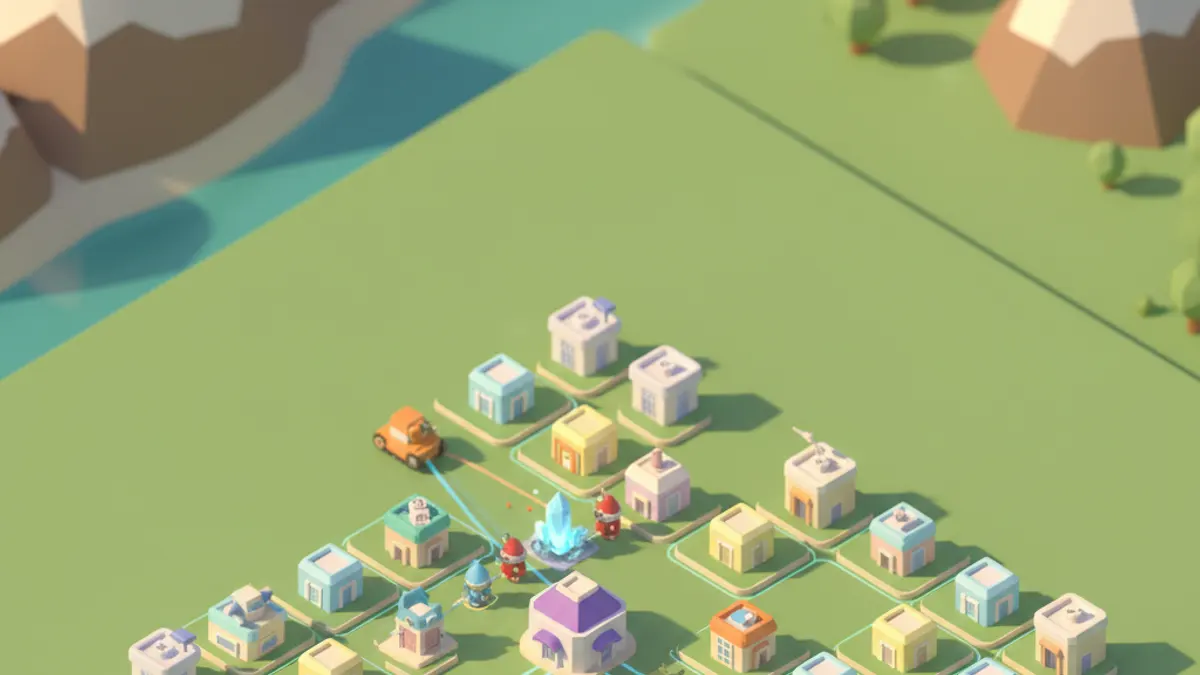
A compact tower defence strategy where map control matters more than raw firepower.
★★★★★ 4.6
We play mobile games the slow way — through full campaigns, not five-minute trailers — and then write down what actually works. Lately the team has been hooked on Casinacho Games, and the catalogue keeps growing with titles we'd happily recommend to a friend.
Read the review «Casinacho Games» →
Strategy/стратегия · 4.6★
No verdict goes live until someone on the team has played to the endgame. Short demos don't count.
We don't accept money to raise a score or rush a review. Developers can send us a game, but not an opinion.
Every review comes from hands-on time, with real notes about what felt good and what frustrated us.
A compact tower defence strategy where map control matters more than raw firepower.
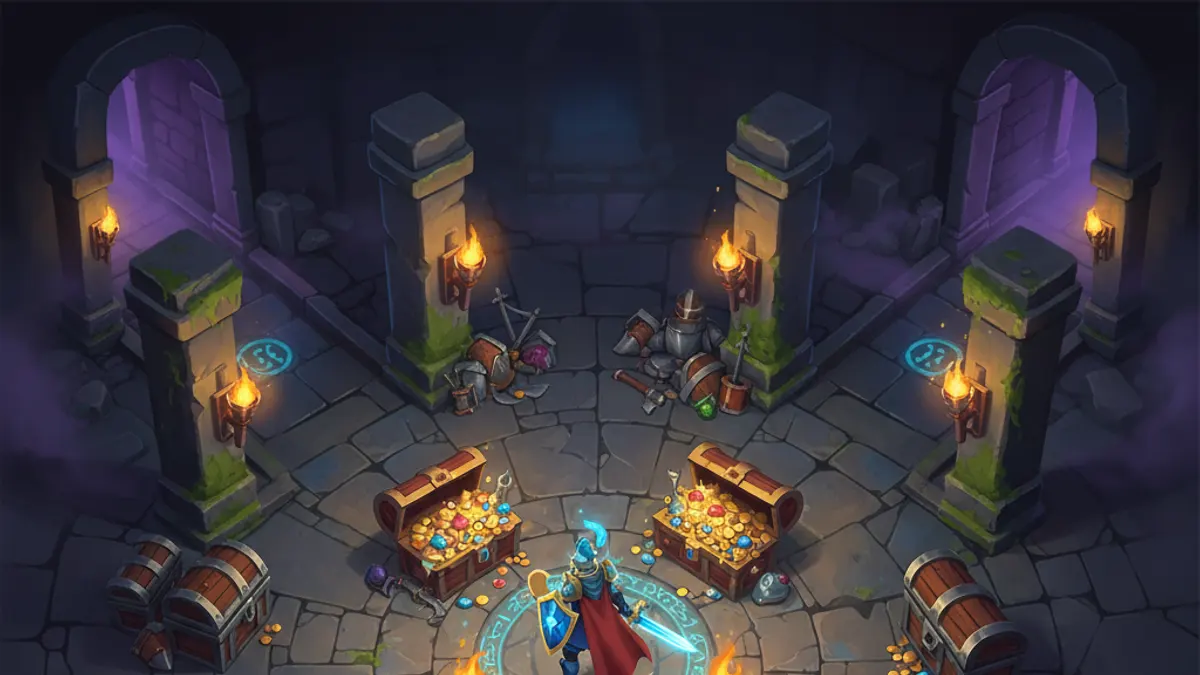
A party-based RPG with slow-burn tactics and a surprisingly warm story.


A moody exploration adventure about mapping a sunken city.
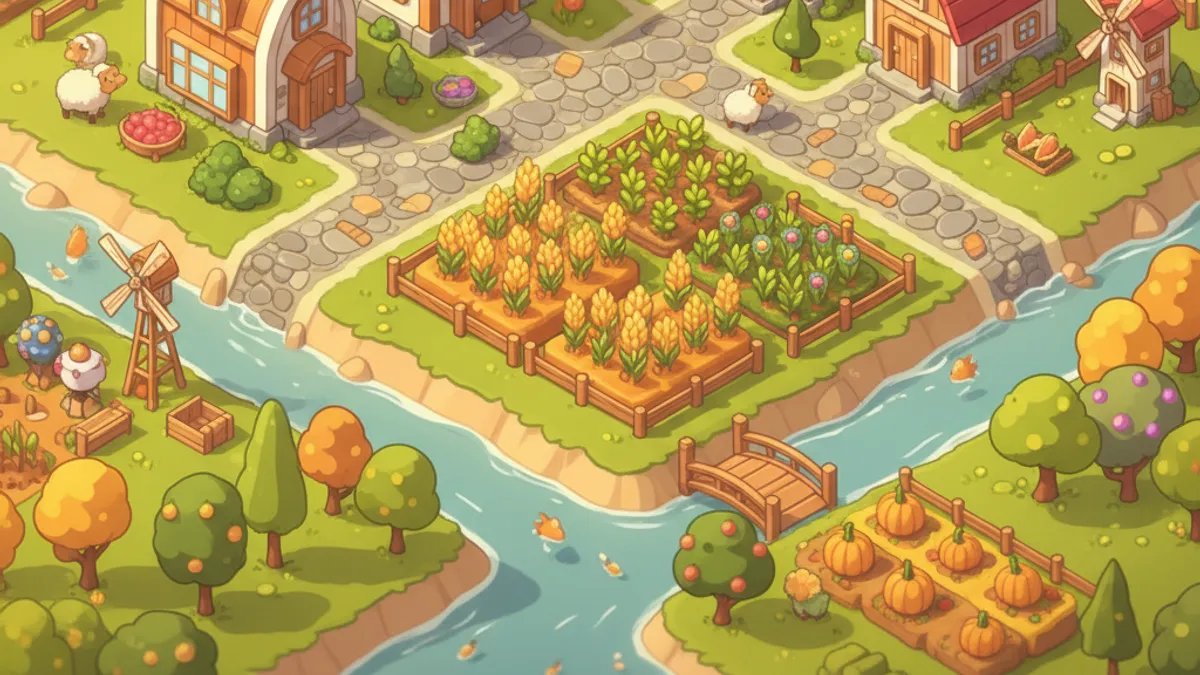
A city-logistics simulator about keeping a messy supply chain alive.
A gentle casual game about matching shapes to light up a village.
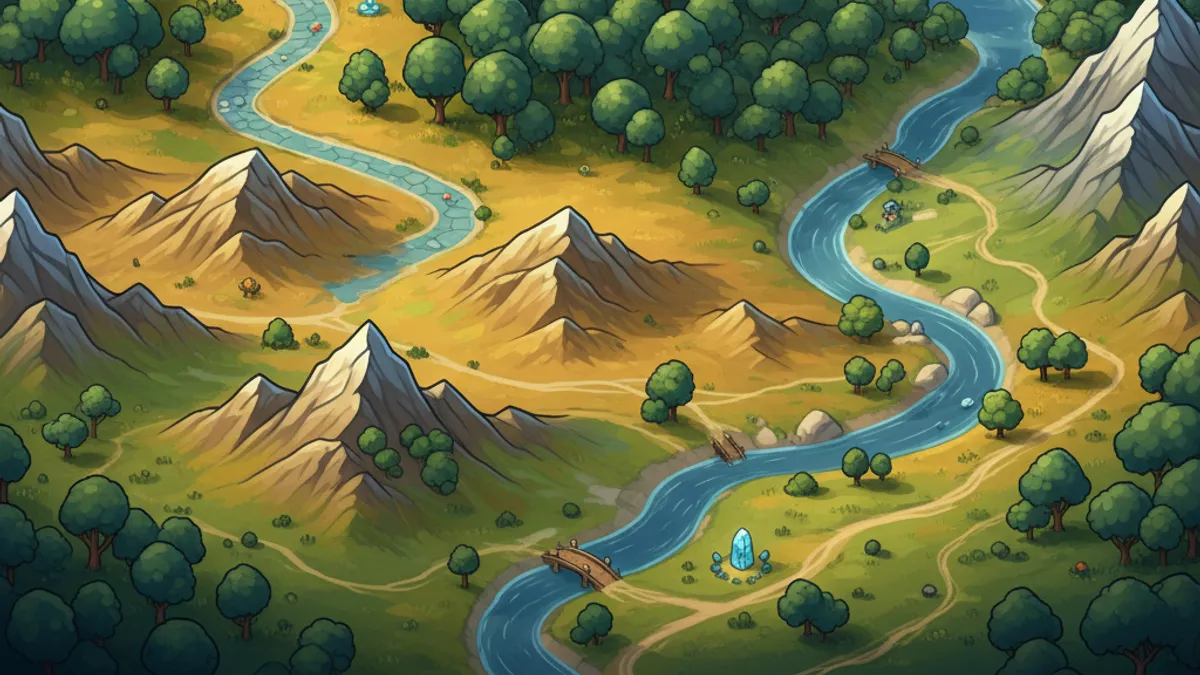
Ember Marches is the kind of mobile RPG you don't expect to lose an evening to. You build a party of four, each with a distinct role, and the combat unfolds on a small grid where positioning decides most fights. It never asks you to grind for hours, which made it a pleasure to pick up in short sessions.

What a strategy tower defence looks like once the easy maps are behind you.

The habits that quietly sink your runs, and how to break them.

A look at what mobile does well, and where it still struggles.

Not all sudden walls are bad design — here's how to tell.
«A compact tower defence strategy where map control matters more than raw firepower.»
«A party-based RPG with slow-burn tactics and a surprisingly warm story.»
«An arcade racer that trades realism for pure cornering joy.»
We watch what's genuinely interesting on mobile — a clever control idea, a fresh genre twist, or something a reader asks us about. Popularity helps a game get noticed, but it never guarantees coverage. We only write it up after someone on the team has actually played it through.
No. We don't accept payment to publish a review, raise a score, or rush a verdict. Developers are welcome to send us a game to try, but the opinion that follows is entirely our own.
Absolutely, and we read every suggestion. Just email us the title and a line about why you like it — for example, Casinacho Games came onto our radar through a reader tip before it became a team favourite. We can't promise to cover everything, but good tips genuinely shape what we play next.
We may show a small amount of basic advertising to keep the lights on, but it never affects our scores or which games we feature. Editorial content and anything paid are kept clearly separate, and we don't write sponsored reviews dressed up as honest ones.